
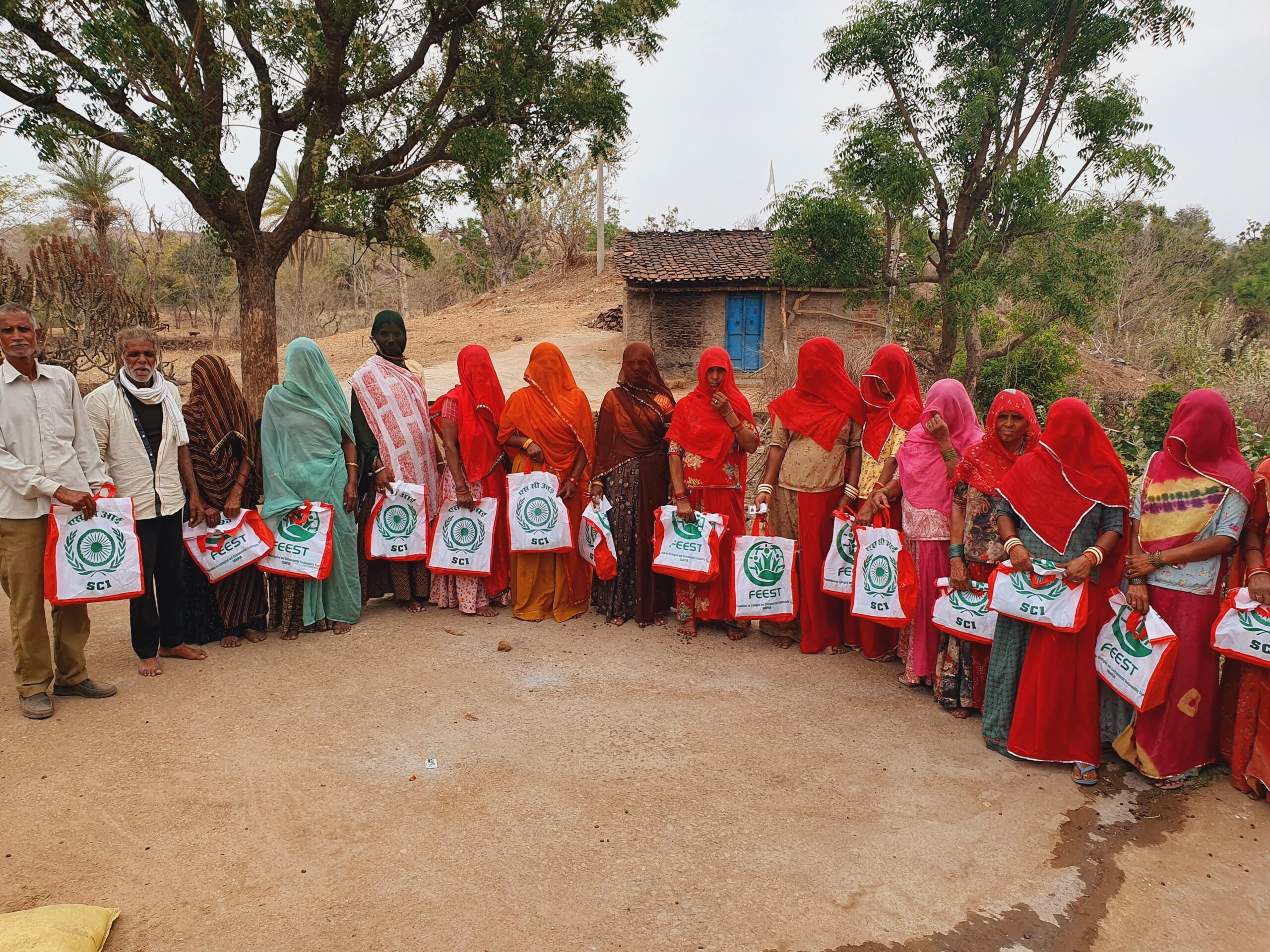
Unveiling the Power: How NGOs Are Shaping Our Future 🌍
Non-Governmental Organizations (NGOs) play a pivotal role in addressing social, environmental, and economic issues worldwide. These organizations operate independently from governments and are driven by a mission to bring positive change to communities and the environment. Their functions span a wide range of activities, including advocacy, humanitarian aid, policy influence, and sustainable development.
1. Advocating for Policy Changes
NGOs actively engage in policy advocacy to ensure the implementation of laws and regulations that promote human rights, environmental protection, and social justice. They work closely with governments, international bodies, and communities to bring about systemic change.
- Influencing Legislation: NGOs collaborate with policymakers to draft and enforce laws that address pressing social and environmental issues.
- Monitoring Compliance: They ensure industries, municipalities, and governments adhere to regulations that safeguard public interests.
- International Cooperation: Organizations like Amnesty International and Greenpeace collaborate across borders to tackle global challenges.
2. Providing Humanitarian Aid and Disaster Relief
One of the core functions of NGOs is to provide immediate and long-term assistance during crises such as natural disasters, conflicts, and health emergencies.
- Emergency Response: NGOs deliver essential aid, including food, clean water, and medical supplies, to affected regions.
- Reconstruction Efforts: They help rebuild communities by providing infrastructure, education, and economic opportunities.
- Disease Prevention and Health Services: NGOs such as the Red Cross work tirelessly to provide healthcare and prevent disease outbreaks.
3. Promoting Sustainable Development
NGOs play a vital role in fostering sustainable development by implementing programs that enhance education, environmental conservation, and economic empowerment.
- Community-Based Projects: Engaging local populations in sustainable farming, renewable energy, and water conservation initiatives.
- Restoration of Natural Habitats: Supporting afforestation and wetland conservation efforts to combat climate change.
- Encouraging Corporate Responsibility: Partnering with businesses to promote ethical practices and sustainability goals.
4. Raising Awareness and Educating the Public
Public awareness is essential in driving positive change, and NGOs invest heavily in educational campaigns and awareness programs.
- School Programs: Educating young students about human rights, environmental conservation, and civic engagement.
- Media and Public Campaigns: Utilizing social media, television, and grassroots campaigns to spread crucial messages.
- Workshops and Training: Empowering individuals with the knowledge and skills to drive change in their communities.
5. Partnering with Communities for Grassroots Impact
NGOs recognize the power of grassroots movements and work closely with local communities to address their specific needs.
- Empowering Marginalized Groups: Supporting women, indigenous populations, and vulnerable communities through inclusive policies.
- Funding Small-Scale Initiatives: Providing grants and resources to local projects that promote social and economic well-being.
- Encouraging Volunteerism: Mobilizing volunteers to participate in various humanitarian and environmental projects.
6. Using Technology to Drive Change
With advancements in technology, NGOs are leveraging digital tools to enhance their impact and efficiency.
- Data Analytics and AI: Using predictive models to identify areas that require urgent intervention.
- Social Media Mobilization: Engaging global audiences through digital activism and crowdfunding campaigns.
- Mobile Applications: Developing apps that educate users, monitor social issues, and facilitate direct engagement.
7. Holding Governments and Corporations Accountable
NGOs act as watchdogs, ensuring that governments and corporations adhere to ethical and legal standards.
- Transparency and Reporting: Investigating and exposing human rights abuses, environmental degradation, and corruption.
- Legal Actions: Taking legal measures against violations of public trust and corporate malpractice.
- Eco-Certifications and Ethical Labels: Encouraging businesses to adopt fair trade, sustainable sourcing, and responsible manufacturing practices.
Conclusion
NGOs are at the forefront of social, environmental, and economic transformation. Their role in advocacy, humanitarian aid, sustainable development, public education, community engagement, technological innovation, and corporate accountability makes them indispensable agents of change. As global challenges evolve, NGOs will continue to adapt and expand their efforts to create a more just, sustainable, and equitable world.

Recent Posts


Unveiling the Power: How NGOs Are Shaping Our Future 🌍
