
How NGOs Are Championing the Cause of Nature Conservation in India 🌿
Non-Governmental Organizations (NGOs) play a crucial role in the conservation of nature in India. With the country facing challenges such as deforestation, pollution, and biodiversity loss, NGOs step in to fill gaps left by government efforts. These organizations work at the grassroots level, engaging communities, influencing policies, and implementing conservation programs to ensure sustainable environmental practices.
1. Advocacy for Environmental Protection
NGOs in India actively push for policies that support nature conservation. They lobby for stricter environmental laws, monitor compliance, and challenge harmful industrial practices.
- Legal Interventions: NGOs file petitions in courts to hold industries and governments accountable for environmental violations.
- Policy Influence: They collaborate with policymakers to draft and enforce regulations that protect forests, rivers, and wildlife.
- Public Campaigns: Awareness drives on social media and in communities educate people about pressing environmental issues.
2. Wildlife Conservation and Habitat Restoration
India is home to diverse flora and fauna, many of which are endangered. NGOs play a critical role in wildlife protection and habitat restoration.
- Anti-Poaching Efforts: Collaborating with forest officials to curb illegal hunting and wildlife trafficking.
- Reforestation Projects: Organizing tree-planting drives to restore degraded forests and prevent soil erosion.
- Wildlife Rescue and Rehabilitation: Operating rescue centers for injured or trafficked animals to ensure their safe return to the wild.
3. Community Engagement and Sustainable Practices
NGOs work closely with local communities to promote sustainable resource management and environmentally friendly livelihoods.
- Eco-Friendly Farming Techniques: Encouraging organic farming and water-efficient agricultural practices.
- Sustainable Livelihood Programs: Providing alternative income sources like eco-tourism and handicrafts to reduce dependence on deforestation.
- Waste Management Initiatives: Promoting recycling and proper waste disposal to prevent pollution.
4. Water Conservation and River Protection
Water scarcity and pollution are significant issues in India. NGOs address these concerns through conservation projects.
- River Cleanup Drives: Removing plastic waste and industrial pollutants from major rivers like the Ganga and Yamuna.
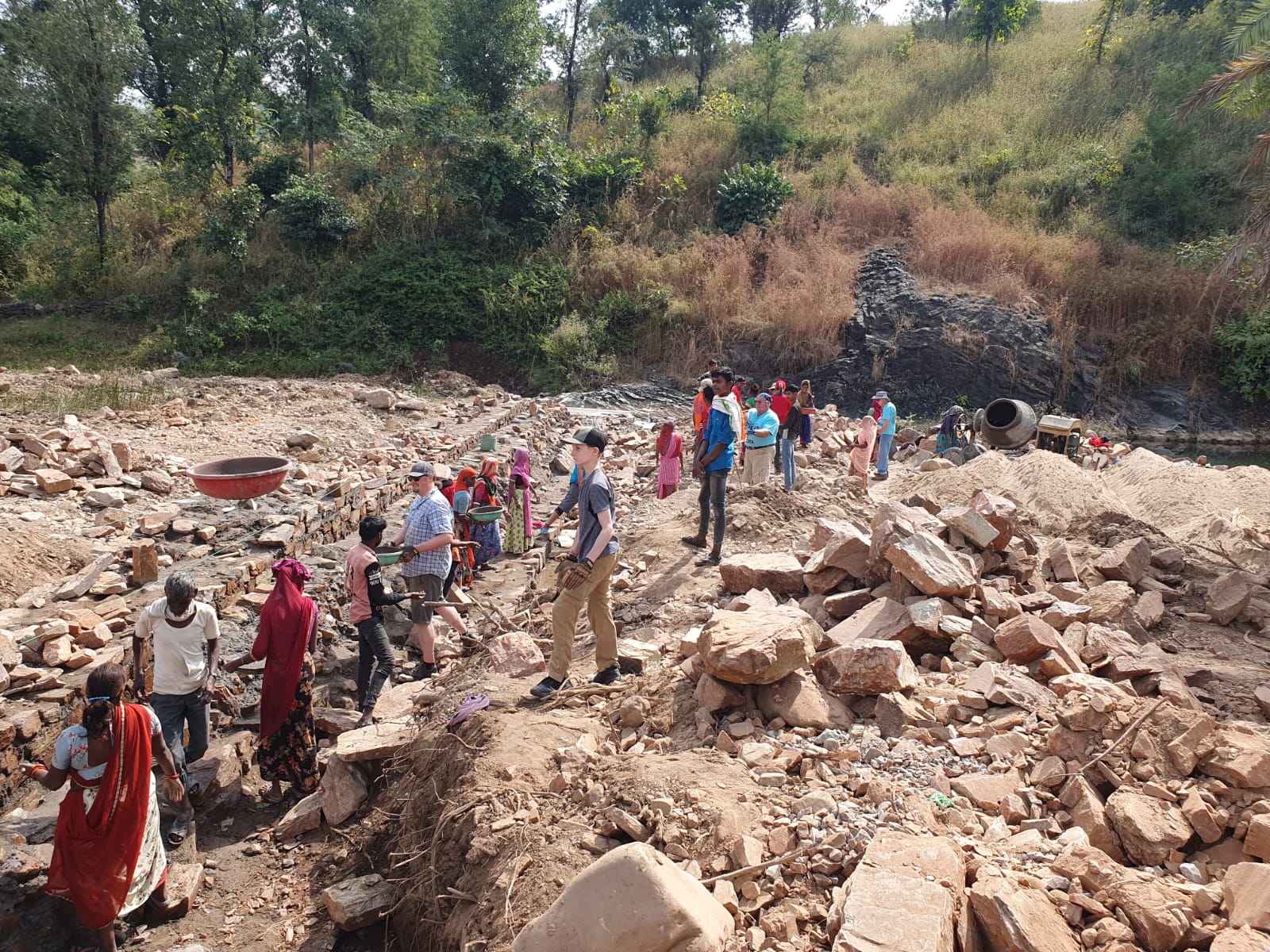
- Rainwater Harvesting: Implementing water conservation techniques in rural and urban areas to prevent groundwater depletion.
- Awareness Campaigns: Educating communities about water conservation and responsible usage.
5. Climate Change Mitigation Efforts
NGOs in India play a crucial role in combating climate change by promoting sustainable practices and reducing carbon footprints.
- Renewable Energy Advocacy: Encouraging the adoption of solar and wind energy in rural areas.
- Carbon Offset Programs: Organizing tree-planting initiatives to absorb CO2 emissions.
- Disaster Preparedness and Relief: Assisting communities affected by climate-related disasters like floods and cyclones.
6. Holding Corporations and Industries Accountable
Industries contribute significantly to environmental degradation, and NGOs ensure they follow sustainable practices.
- Monitoring Industrial Pollution: Tracking emissions and waste disposal practices of factories.
- Sustainability Certifications: Encouraging industries to adopt eco-friendly practices and obtain green certifications.
- Legal Actions Against Violators: Filing cases against corporations that damage the environment.
7. Leveraging Technology for Conservation
Technology has enhanced NGO-led conservation efforts through data collection, monitoring, and awareness-building.
- Satellite Monitoring: Tracking deforestation, illegal mining, and wildlife movements using satellite imagery.
- AI and Data Analytics: Predicting environmental changes and planning conservation efforts accordingly.
- Mobile Applications: Developing apps for reporting environmental violations and educating the public.
Conclusion
NGOs play a vital role in conserving nature in India. Their work in advocacy, wildlife conservation, community engagement, water preservation, climate change mitigation, corporate accountability, and technological innovation ensures the protection of the country’s rich biodiversity. As environmental challenges grow, the role of NGOs will become even more critical in securing a sustainable future for India.

Recent Posts


Unveiling the Power: How NGOs Are Shaping Our Future 🌍
